

Henry Ford Health Trauma Recovery Center partners with MSU to strengthen trauma informed care
March 26, 2026 - Brandon Drain
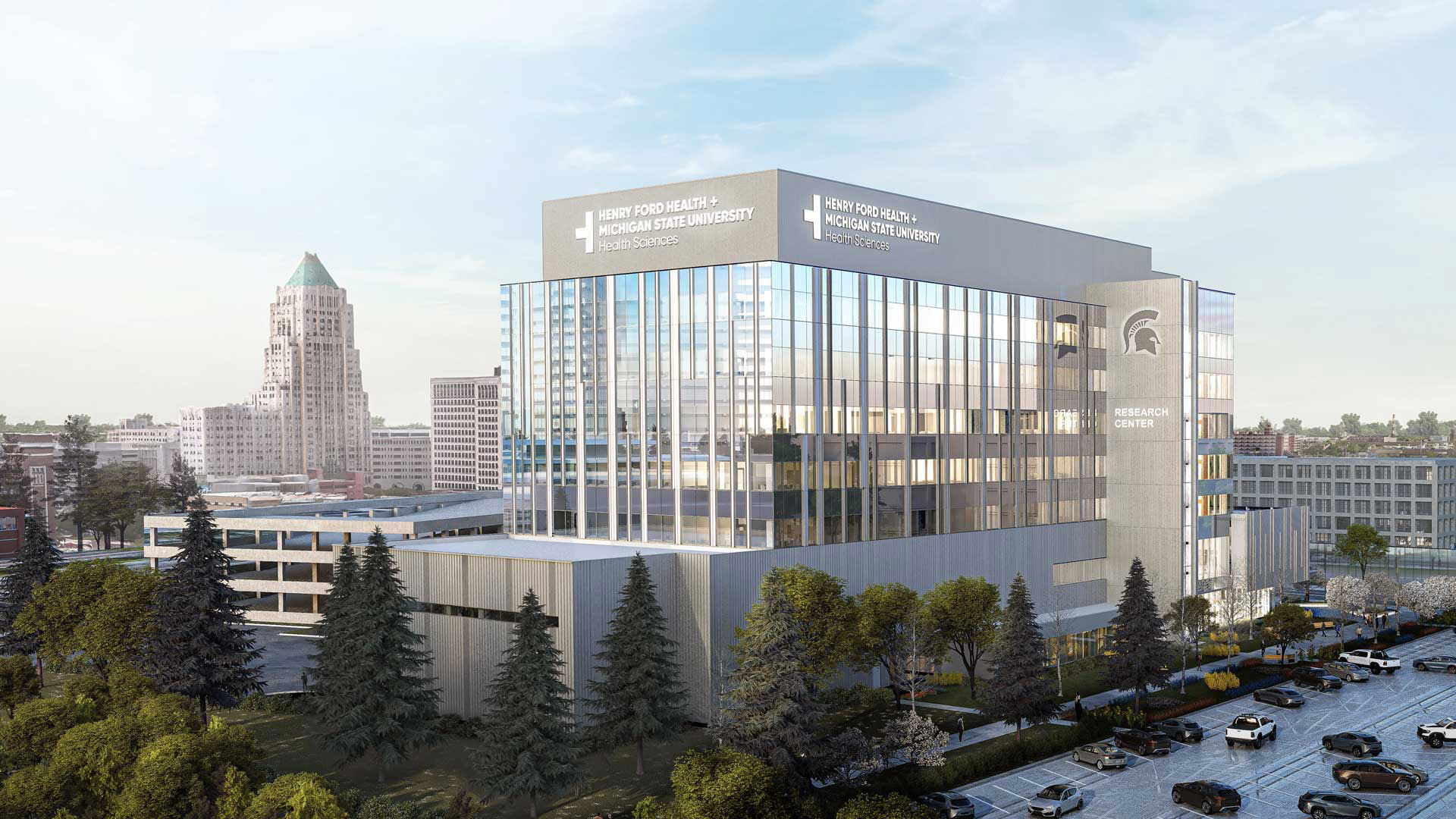
As part of its onboarding process, Henry Ford Health’s Trauma Recovery Center completed Michigan State University School of Social Work’s Trauma Informed Care Continuing Education Certificate to deepen its trauma informed approach to healing for survivors and families.
The Henry Ford Health Trauma Recovery Center partnered with Michigan State University’s School of Social Work to enhance their work with individuals and families who have experienced trauma.
Founded in 2022, The Henry Ford Health Trauma Recovery Center (TRC) was developed to ease the burden for survivors and their families and to facilitate holistic healing—all at no cost to the survivors.
To further enhance their trauma informed approach to holistic healing, the team took MSU’s Trauma Informed Care Certificate Program as part of their onboarding process.
“We have been working on establishing and implementing trauma informed care at a system level for the past roughly four or five years now,” said Ali Lakhani, Program Manager at TRC. “In doing that process, we were connected to the Trauma Services and Training Network through MSU.”
Integrating trauma informed approaches into both service delivery and organizational culture can strengthen professional practice and improve outcomes for individuals, said Gina Tremonti Gembel, director of the Continuing Education Program at MSU’s School of Social Work.
“The partnership with the Henry Ford Trauma Recovery Center has been exciting and meaningful because it created a direct connection with clinicians who are actively facilitating trauma informed healing within a healthcare setting and the innovative work of the TRC,” said Gembel.
Unlike most professional development certificates, the MSU Trauma Informed Care Certificate Program provides 32-continuing education contact hours covering various aspects of trauma informed care. “It wasn't just the foundations of trauma informed care or just the basics,” said Lakhani. “I really appreciated the trauma informed communication and the trauma informed leadership piece of it.”
Being a new leader, and someone who’s new to the behavioral health space as well, Lakhani found that “being trauma informed in that practice has been really helpful and really impactful for me personally, and then also as a team,” he said.
Survivors of violent crime can experience lasting effects that impact their mental health and well-being. The Trauma Recovery Center works to promote resiliency and holistic recovery for survivors following crime.
“We do pride ourselves on being trauma informed in all of our practices and all of our services,” said Lakhani. “Being trauma informed is about meeting survivors where they are, and we're looking for staff that understand that and that also have that background in working with trauma survivors, whether that be in the therapy field or even the case management side of things.”
The partnership has strengthened the learning experience for Henry Ford professionals and the MSU School of Social Work community alike, creating a mutually beneficial exchange of knowledge and practice.