

Access Torch: Jada Gannaway
February 16, 2026 - Emily Jodway
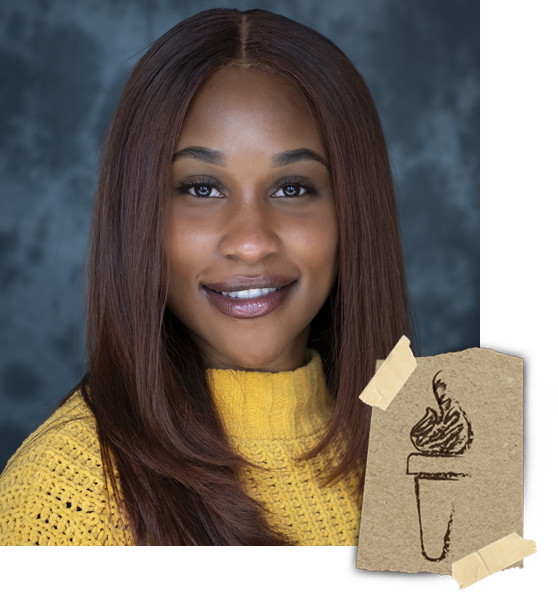 During the month of February, we celebrate Black History Month and highlight the rich, multifaceted history and culture of Black individuals in America. We also spotlight members of the Michigan State community whose work intersects with Black identity and culture. Jada Gannaway, a doctoral candidate specializing in Caribbean History whose research centers on Black women’s political activism and the global dimensions of the Black Freedom struggle, is one of our outstanding February nominees.
Gannaway earned her undergraduate degree in history from North Carolina Central University, a Historically Black College and University. She initially planned to major in political science, but began to find herself interested in expanding her personal knowledge and understanding of history, including that of her own as a Black American. A study abroad trip to Ghana broadened her interests toward the African diaspora and the relationship between continental Africa and Black Americans.
During this time, Gannaway also took a class on the Haitian Revolution. “It fundamentally reshaped my understanding of Black resistance, which was largely underemphasised in my early education,” she said. This pushed her to further explore the history of Black resistance and political activism.
“This research clarified my desire to study Black power at the graduate level- just learning that there was so much more to our history than the limited understanding of what Black people did during times of enslavement,” Gannaway added.
After hearing from Black faculty and colleagues about MSU’s wealth of scholars studying Black resistance and Black Caribbean history, Gannaway chose to pursue her PhD as a Spartan. Her positive experiences with faculty and classes in undergrad had solidified her desire to one day teach history.
While at MSU, Gannaway has had the opportunity to travel abroad, to Trinidad and London conducting oral histories and extensive interviews. She has primarily been researching the Black political activist Altheia Jones-Lecointe, a Trinidadian physician and scientist who became a prominent leader of the Black Panther Movement in England in the 1960s.
“I’ve been able to conduct interviews with her relatives, with friends, and even [Jones-Lecointe] herself,” she says. “The resources that MSU has provided me have allowed me to tap into sources that haven’t been tapped before, and that’s been a big highlight for me.”
Gannaway is also grateful for the circle of support she has been able to build at Michigan State. She is a member of the MSU Alliance for the Graduate Education and the Professoriate, and the Black Graduate Students Association. “I’m so, so grateful for the people that I have, the community that I’ve developed, and the all-around support that I receive both academically and personally,” she says.
Black women’s activism teaches us that meaningful change comes from collective and accountable leadership, Gannaway explains. These women showcased the importance of resilience, adaptability, and attention to intersecting issues of race, gender and class when creating sustainable movements. “Centering Black women’s voices reshapes our understanding of freedom, resistance and democracy by showing that these concepts aren’t just symbolic- they’re deeply connected to everyday life and collective survival,” she said.
“True liberation depends on transforming the systems and social relations that shape daily life,” Gannaway added. “It’s not just about winning formal rights- it’s about engaging with the community and the issues that we are facing daily.”
Gannaway’s research has also had a great impact on her personal views surrounding activism and how to be an active member of one’s community, in particular, her understanding of Black women’s activism and their use of grassroots organizing to play both a supportive and strategic role within the movement. “Their work inspires me to educate the masses and to reshape people’s understandings of what activism can look like, and what it means to be a figure in a movement such as the Black Freedom Struggle.”
Black History Month can be a great opportunity to highlight the contribution, leadership and intellectual labor of Black individuals who have often been otherwise undervalued in mainstream histories, Gannaway explains. Learning about Black activists throughout history and their efforts in collective action can help inform us as we navigate current issues of racial, gender and economic justice.
“I think it’s important to study these figures who have contributed important work to Black culture in the world and their organizing techniques, so that you can be equipped to combat systems of oppression,” she said. “It’s especially important in this time because it shows us how to be sustainable, how to not let dark times destroy us, and to not be complacent.”
Honorees’ views are their own and do not necessarily reflect those of the College of Social Science.
Read more:
Access Champion
Faculty/Staff
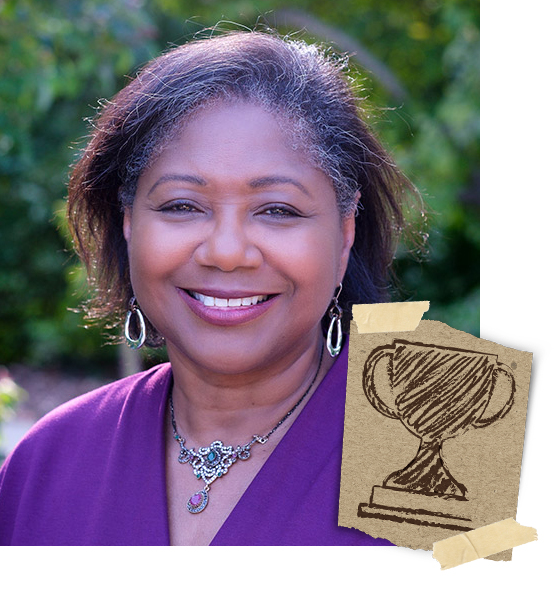
Dr. Emilie Smith
Dr. Emilie Smith is a professor of Ecological and Community Psychology and Director of the MSU Youth Equity Program. Smith's community-based approach to research focuses on the family, community and socio-cultural factors that influence child development.
Access Spotlight
Alumni
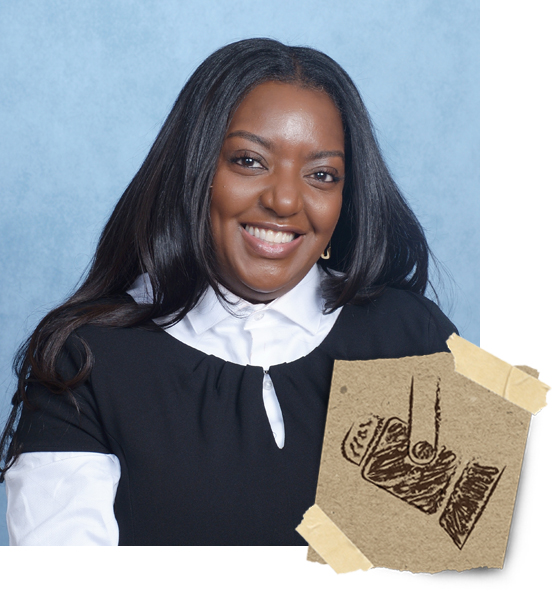
Tiffany Shorter
Tiffany Shorter is the Director, R&D (Research and Development) Change Management and ACOS Program Management at AbbVie.

Access Matters
We strive to cultivate an inclusive and welcoming college environment that celebrates a diversity of people, ideas, and perspectives.