

Access Champion: Dr. Emilie Smith
February 16, 2026 - Emily Jodway
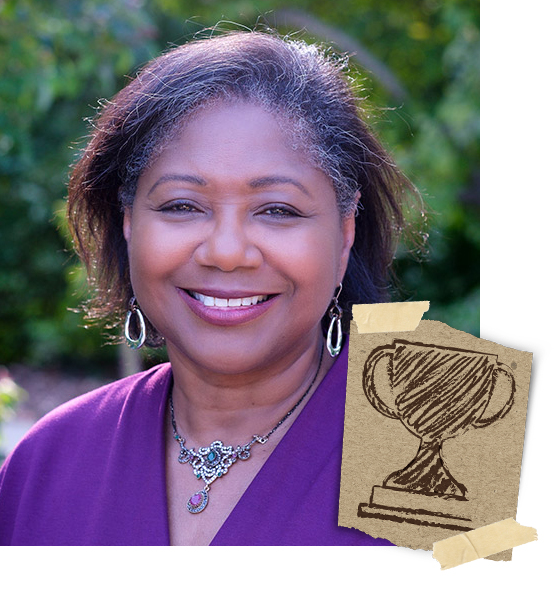 During the month of February, we celebrate Black History Month and highlight the rich, multifaceted history and culture of Black individuals in America. We also spotlight members of the Michigan State community whose work intersects with Black identity and culture. Dr. Emilie Smith, College of Social Science Dean’s Distinguished Senior Scholar, Professor of Ecological and Community Psychology and former Faculty Lead of the MSU Youth Equity Project, is one such outstanding individual.
Dr. Smith became interested in community engagement early on in her life, as a summer camp counselor and active member of her faith-based youth community. While earning her degrees in Psychology and Afro-American Studies at Smith College, she was particularly drawn to the aspects of psychology that were community-based and tied to the roles that society plays on individual development.
“The idea of a scholarly community is a big part of why I’m here at Michigan State,” says Smith, who earned her Master’s and PhD from MSU and has been a faculty member since 2020. The university’s land grant mission and its role in community-engaged research and outreach also plays a large role in how she approaches her work.
“It’s not an ivory tower kind of science, where we just write in our journals or books- we try to figure out how we’re going to make it a reality through the practices and programs that we implement,” she added.
Much of the research that Smith does is interdisciplinary in nature, which allows her to both work within the community at large and across different departments at MSU. Her current work, sponsored by the Office of Research and Innovation, examines how a family’s poverty level may impact stress and mental health levels.
This project could help researchers find community intervention-based methods to mitigate stress. In some cases, community may not be the all-encompassing answer, and exploration into the root causes of familial pressures can also uncover ways to address stress through economic empowerment.
“That’s some of the work I’m most passionate about,” she says. “It looks at community and larger societal issues to really make an impact on families and reduce their stress at the root level, fostering improved mental health.”
Working with local families also involves hands-on research with children and teens, through the Youth Equity Project and other ventures. Developing community programming with input directly from youth often increases their excitement and desire to be active participants in the interventions. “Having that youth voice added helps them buy into their own co-creation and design,” Smith explained.
Hearing from members of the community during research also aids in developing programming that was designed with that specific community in mind. Often this involves a culturally informed approach. Each family is unique in how they choose to parent and raise their children, and much of this is often influenced by their culture’s unique values.
“So often, we think we know what the problem is and what the solution should be, but people in our community can help you think about issues in new ways and realize there may be barriers you didn’t even think about,” Smith says. “Being culturally informed helps us develop programs that not only meet their needs, but are consistent with the values and norms of that population.”
Being a community psychologist has helped inform Smith’s belief in the importance of storytelling, and placing the power to control the narrative in the hands of those directly impacted. During Black History Month, Smith says, it’s especially important to understand and talk openly about even the more difficult aspects of our nation’s past.
“To know history is not to invoke guilt,” she explained. “It’s so that we can know what kind of factors led us to where we are today and how we can take ourselves to a better place. I want to be able to talk about the areas in which we can grow, so that we may improve. That’s the role that history plays for us.”
Dr. Smith also emphasized the importance of supporting the next generation of young scholars and activists, to equip them with the tools to tackle intersectional issues of gender, culture, and race, and to challenge their way of thinking in innovative ways to make important contributions to scholarship, practice and policy.
“I think sometimes you just gotta hope, because when you hope, there’s a self-fulfilling prophecy to it. You act in different ways when you have hope. You continue to teach, you continue to do the work. You continue to engage communities. I hope that what I'm leaving for the future is generations who are inspired to continue to hope and do the hopeful work.”
Honorees’ views are their own and do not necessarily reflect those of the College of Social Science.
Read more:
Access Spotlight
Alumni
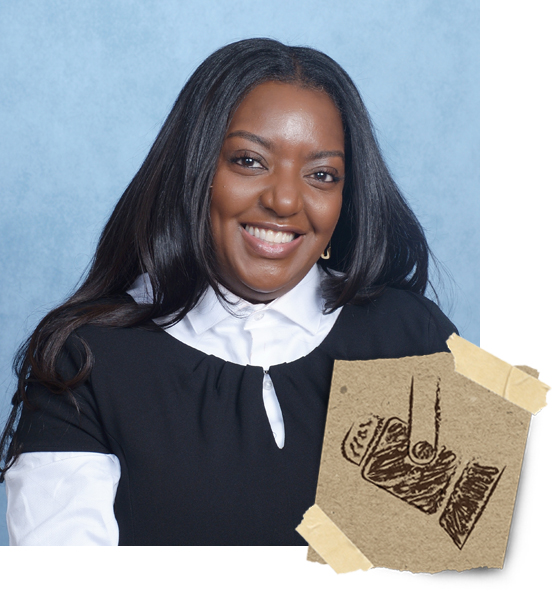
Tiffany Shorter
Tiffany Shorter is the Director, R&D (Research and Development) Change Management and ACOS Program Management at AbbVie.
Access Torch
Student
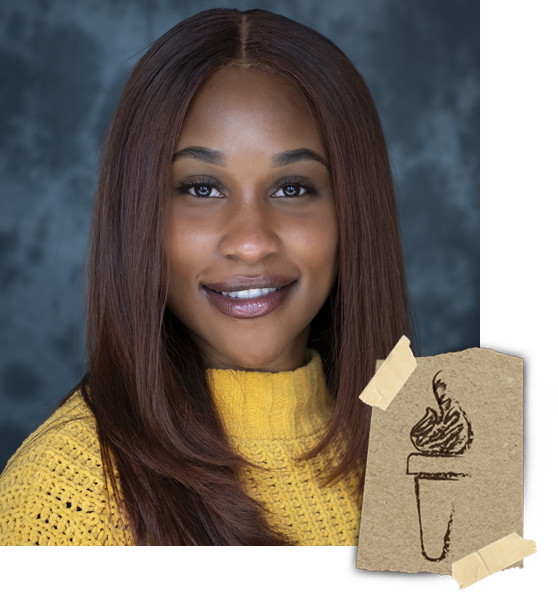
Jada Gannaway
Jada Gannaway is a doctoral candidate specializing in Caribbean History whose research centers on Black women’s political activism and the global dimensions of the Black Freedom struggle.

Access Matters
We strive to cultivate an inclusive and welcoming college environment that celebrates a diversity of people, ideas, and perspectives.