Jump to HeaderJump to Main ContentJump to Footer
Michigan State University
  • Academics
    • Overview
    • Majors, Degrees & Programs
    • Undergraduate
    • Graduate
    • Advising
    • Career Development
    • Scholarships
    • Study Abroad/Away & Internships
    future-students

    Future Student Information

    Your future begins here
  • |
  • Research
    • Overview
    • Centers, Institutes & Programs
    • Faculty Initiatives Fund
    • Forms & Resources
    • Research Committee
  • |
  • Faculty & Staff
    • Overview
    • Policies & Forms
    • RPT Process
    • Support Student Careers
    • PAL Program
    • Services & Assistance
  • |
  • Alumni
    • Giving Opportunities
    • Career Development Assistance
    • Volunteer Opportunities
    • Alumni Awards
    • Blanchard Public Service Forum
    WLI-2-800w

    Learn about the WLI

    Visit Women's Leadership Institute
  • |
  • News
  • |
  • Events
  • |
  • Access
    • Overview
    • Dean's Research Associates (Postdoc) Program
    • Dean’s Institutional Access Small Grant Program
    • Access Accolades
    • Belonging Gatherings
    • Dean's Distinguished Senior Scholars Program
    • Dean’s Institutional Access Fellows Program
    • Advisory Committee
    essentials-corner

    Essentials Corner

    View Essentials Corner
  • |
  • About
    • Overview
    • Dean's Office
    • Leadership
    • Directory
    • College Awards
    • Contact Us
  • Academics
  • Research
  • Faculty & Staff
  • Alumni
  • News
  • Events
  • Access
  • About

< Academics

  • Overview
  • Majors, Degrees & Programs
  • Undergraduate
  • Graduate
  • Advising
  • Career Development
  • Scholarships
  • Study Abroad/Away & Internships
future-students

Future Student Information

Your future begins here

< Research

  • Overview
  • Centers, Institutes & Programs
  • Faculty Initiatives Fund
  • Forms & Resources
  • Research Committee

< Faculty & Staff

  • Overview
  • Policies & Forms
  • RPT Process
  • Support Student Careers
  • PAL Program
  • Services & Assistance

< Alumni

  • Giving Opportunities
  • Career Development Assistance
  • Volunteer Opportunities
  • Alumni Awards
  • Blanchard Public Service Forum
WLI-2-800w

Learn about the WLI

Visit Women's Leadership Institute

< News

< Events

< Access

  • Overview
  • Dean's Research Associates (Postdoc) Program
  • Dean’s Institutional Access Small Grant Program
  • Access Accolades
  • Belonging Gatherings
  • Dean's Distinguished Senior Scholars Program
  • Dean’s Institutional Access Fellows Program
  • Advisory Committee
essentials-corner

Essentials Corner

View Essentials Corner

< About

  • Overview
  • Dean's Office
  • Leadership
  • Directory
  • College Awards
  • Contact Us

Academics

  • Majors, Degrees & Programs
  • Advising
  • Scholarships
  • Experiential Learning
  • Student Success & Help Rooms
  • Career Development
  • Graduate
  • Future Students
  • Professional Licensure and Certification

Faculty & Staff

  • Policies & Forms
  • Reappointment, Promotion, & Tenure
  • Services & Assistance
  • PAL Program
  • Support Student Careers
Michigan State University
College of Social Science
  • Future Students
  • Undergraduate
  • Graduate
  • Degrees
  • Directory
  • Give

College of Social Science

College of Social Science
  • Future Students
  • Undergraduate
  • Graduate
  • Degrees
  • Directory
  • Give
Research

April 30, 2025

Preventing Youth Violence in Michigan

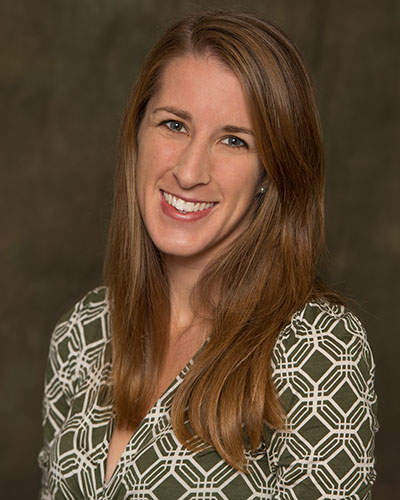
Dr. Cait Cavanagh

Cavanagh-Caitlin

This week is Youth Violence Prevention Week. in this op-ed, Dr. Cait Cavanagh discusses some of the root causes of youth violence and what we can do to reduce the amount of youths who experience violence in their lifetime.

Youth violence remains a persistent and pressing issue across communities in the United States, and Michigan is no exception. While youth violence can take many forms, some of the most common include interpersonal violence such as assault and battery, intimate partner violence, and domestic violence. These are often rooted in complex developmental and environmental factors and are most likely to occur during late adolescence, in line with what researchers call the "age-crime curve." This well-established pattern—observed across centuries, countries, and gender—shows that youth are more likely to engage in criminal behavior, including violence, during their late teen years than at any other time in life. 

Understanding why this happens requires us to take both brain development and social context seriously. Adolescents' brains are still maturing, especially in areas responsible for impulse control, decision-making, and weighing long-term consequences. As a result, young people are more likely to act impulsively, seek rewards, and engage in sensation-seeking behavior. While these tendencies can lead to positive forms of risk-taking—like pushing limits in sports or academics—they can also manifest as harmful behaviors, including violence. Environmental influences are also critical contributors to youth violence. These may include exposure to trauma, poverty, unstable housing, the availability of firearms, and cycles of retaliatory community violence. Many youths who perpetrate violence have themselves been victims, highlighting the victim-offender overlap that is common in violent contexts. Breaking this cycle requires a coordinated, developmentally supportive, and evidence-based response. 

Preventing youth violence and supporting those who are at risk requires significant investment in mental health services, stable housing, and education. Additionally, community-based programs that provide youth with safe, supportive spaces and opportunities for positive development. Strengths-based activities—such as mentoring, arts, sports, and leadership programs—can offer constructive outlets for normative risk-taking and foster a sense of purpose and belonging. Importantly, interventions should be developmentally informed, recognizing that adolescents have unique needs and capacities that must be addressed through tailored, rehabilitative approaches rather than punitive ones. 

Michigan has a number of violence intervention efforts. In mid-Michigan, programs like Advance Peace offer community-based, relationship-driven violence interruption strategies that focus on those most likely to engage in violence. Specialty courts in Ingham County, such as Weapons Court and Phoenix Court (for victims of domestic minor sex trafficking) provide targeted, trauma-informed support to youth navigating complex legal and personal challenges. At the state level, significant progress has been made with the passage of a juvenile justice reform bill in 2024. This legislation aligns juvenile justice policy and practice with developmental science, offering a roadmap for rehabilitation that acknowledges how adolescents grow and change. By incorporating what we know from decades of developmental psychology and criminology research, Michigan is working to build a system that is more responsive, more just, and more effective for addressing youth violence. 
Research

Research

  • Centers, Institutes & Programs
  • Faculty Initiatives Fund
  • Forms & Resources
  • Research Committee

Access

  • About
  • Advisory Committee
  • Dean's Research Associates (Postdoc) Program
  • Dean's Fellows Program
  • Senior Scholars Program
  • Small Grants Program
  • Access Matters Accolades
  • Essentials Corner
  • Belonging Gatherings

Alumni

  • Giving Opportunities
  • Volunteer Opportunities
  • Career Development Assistance
  • Blanchard Forum
  • Alumni Awards

About

  • College Awards
  • Contact
  • Dean's Office
  • Directory
  • Leadership
  • Procedures & Codes

Contact us

(517) 355-6676

Address

Berkey Hall 509 E Circle Dr East Lansing, MI 48824

Follow Us

  • Visit our Facebook page
  • Visit our page on X
  • Visit our Instagram page
  • Visit our LinkedIn page
  • Visit our YouTube page

If you're having accessibility issues, please let us know.

Know MoreTransparency Reporting: Budget & Salary/Compensation
  • Contact Information|
  • Site Map|
  • Privacy Statement|
  • Site Accessibility|
  • Call MSU: (517) 355-1855|
  • Visit: msu.edu|
  • Notice of Nondiscrimination|

SPARTANS WILL|© Michigan State University|