Jump to HeaderJump to Main ContentJump to Footer
Michigan State University
  • Academics
    • Overview
    • Majors, Degrees & Programs
    • Undergraduate
    • Graduate
    • Advising
    • Career Development
    • Scholarships
    • Study Abroad/Away & Internships
    future-students

    Future Student Information

    Your future begins here
  • |
  • Research
    • Overview
    • Centers, Institutes & Programs
    • Faculty Initiatives Fund
    • Forms & Resources
    • Research Committee
  • |
  • Faculty & Staff
    • Overview
    • Policies & Forms
    • RPT Process
    • Support Student Careers
    • PAL Program
    • Services & Assistance
  • |
  • Alumni
    • Giving Opportunities
    • Career Development Assistance
    • Volunteer Opportunities
    • Alumni Awards
    • Blanchard Public Service Forum
    WLI-2-800w

    Learn about the WLI

    Visit Women's Leadership Institute
  • |
  • News
  • |
  • Events
  • |
  • Access
    • Overview
    • Dean's Research Associates (Postdoc) Program
    • Dean’s Institutional Access Small Grant Program
    • Access Accolades
    • Belonging Gatherings
    • Dean's Distinguished Senior Scholars Program
    • Dean’s Institutional Access Fellows Program
    • Advisory Committee
    essentials-corner

    Essentials Corner

    View Essentials Corner
  • |
  • About
    • Overview
    • Dean's Office
    • Leadership
    • Directory
    • College Awards
    • Contact Us
  • Academics
  • Research
  • Faculty & Staff
  • Alumni
  • News
  • Events
  • Access
  • About

< Academics

  • Overview
  • Majors, Degrees & Programs
  • Undergraduate
  • Graduate
  • Advising
  • Career Development
  • Scholarships
  • Study Abroad/Away & Internships
future-students

Future Student Information

Your future begins here

< Research

  • Overview
  • Centers, Institutes & Programs
  • Faculty Initiatives Fund
  • Forms & Resources
  • Research Committee

< Faculty & Staff

  • Overview
  • Policies & Forms
  • RPT Process
  • Support Student Careers
  • PAL Program
  • Services & Assistance

< Alumni

  • Giving Opportunities
  • Career Development Assistance
  • Volunteer Opportunities
  • Alumni Awards
  • Blanchard Public Service Forum
WLI-2-800w

Learn about the WLI

Visit Women's Leadership Institute

< News

< Events

< Access

  • Overview
  • Dean's Research Associates (Postdoc) Program
  • Dean’s Institutional Access Small Grant Program
  • Access Accolades
  • Belonging Gatherings
  • Dean's Distinguished Senior Scholars Program
  • Dean’s Institutional Access Fellows Program
  • Advisory Committee
essentials-corner

Essentials Corner

View Essentials Corner

< About

  • Overview
  • Dean's Office
  • Leadership
  • Directory
  • College Awards
  • Contact Us

Academics

  • Majors, Degrees & Programs
  • Advising
  • Scholarships
  • Experiential Learning
  • Student Success & Help Rooms
  • Career Development
  • Graduate
  • Future Students
  • Professional Licensure and Certification

Faculty & Staff

  • Policies & Forms
  • Reappointment, Promotion, & Tenure
  • Services & Assistance
  • PAL Program
  • Support Student Careers
Michigan State University
College of Social Science
  • Future Students
  • Undergraduate
  • Graduate
  • Degrees
  • Directory
  • Give

College of Social Science

College of Social Science
  • Future Students
  • Undergraduate
  • Graduate
  • Degrees
  • Directory
  • Give
Research

Aug. 27, 2025

Politics shape what Brazilians see on TV about energy shortages

Diane Huhn

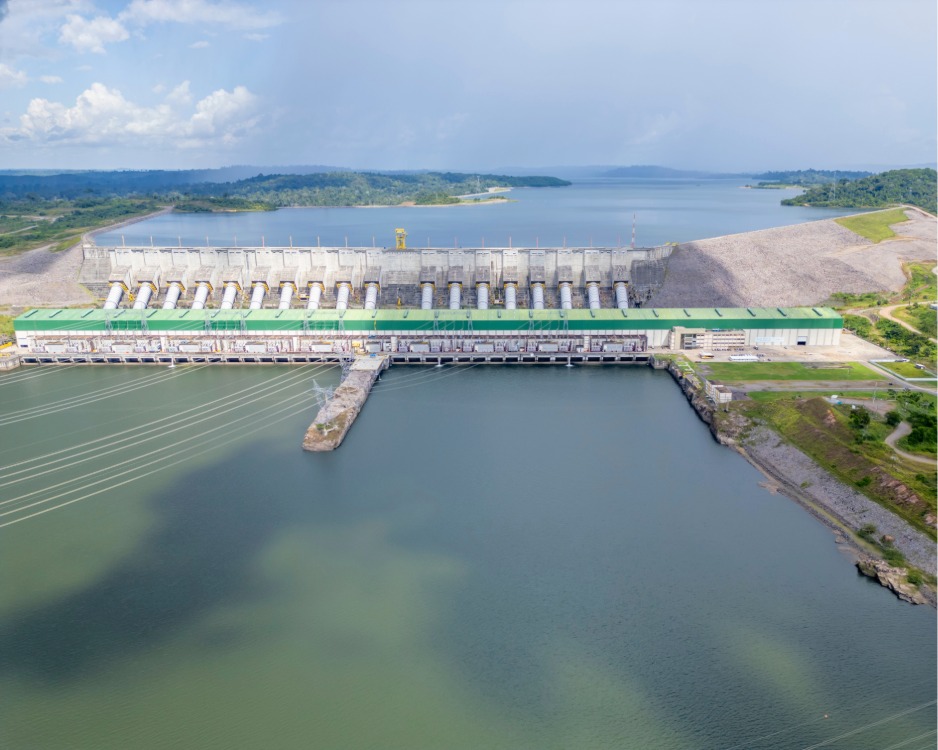
belo-monte-dam
Aerial drone view of the Belo Monte hydroelectric power plant, one of the largest in Brazil, located on the Xingu river basin near the city of Altamira, in the state of Para. Photo by Tarcisio Schnaider.

When the lights go out in Brazil, the way TV networks tell the story has a lot to do with politics and who’s in charge. A new study from Michigan State University, led by Karina Ninni Ramos of the Center for Global Change and Earth Observations, reveals that relationships between presidents and the press strongly influence how the country’s biggest broadcasters cover energy shortages, blackouts, and rationing. 
moran-emilio-profile1

The study appears in the journal Environmental Communication and was coauthored by Emilio Moran, a John A. Hannah Distinguished Professor, and three additional MSU researchers, including Michaela Shope, a Ph.D. student in the Department of Geography, Environment, and Spatial Sciences. The research examined decades of TV news coverage across three Brazilian presidencies, each characterized by different positions on the political spectrum: Fernando Henrique Cardoso (center-right), Dilma Rousseff (center-left), and Jair Bolsonaro (far-right). By analyzing how often presidents, experts, and everyday citizens were quoted in the stories analyzed, the team uncovered clear patterns linking politics to public messaging. 

The researchers were particularly interested in examining who gets to speak. “Analyzing the news, we realized that the coverage varied according to the relationship between the central government and mainstream broadcasters. We wanted to know to what extent this relationship influenced coverage,” summarized Ramos. 

During an energy crisis taking place under Cardoso in 2001, government officials dominated the coverage, delivering up to nearly 40% of all quotes, while experts barely appeared, providing just 2.9%. However, during the 2014-2015 shortages during the Rousseff administration, expert voices rose to 27.7% of coverage. By the Bolsonaro era, experts were cited even more often (30.8%), while official voices dropped to just 16.3% during a 2021 shortage.  

That shift, Ramos explained, suggests that journalists increasingly turned to outside experts when they felt government sources weren’t credible. 

The study also highlights how much ordinary citizens—those directly hit with soaring electricity bills and outages—were brought into the conversation. “We found that stories had, on average, 27.8% of their sources coming from the affected population, and it’s important to note that they were mentioned in over 70% of the stories”, says Rachel Mourão, another author of the paper, indicating that broadcasters were interested in amplifying the experiences of people most affected by energy shortages.  

Another interesting trend is the growing use of the term “hydric crisis” to describe shortages. This phrase became especially common during Bolsonaro’s presidency, framing the problem as the result of droughts, lack of rainfall, and overuse of water. However, the study points out that this language can subtly shift blame away from government policies and infrastructure failures. 

Back in 2001, when Cardoso’s government faced Brazil’s most severe shortage, the term wasn’t used at all. Its growing presence, the authors argue, reflects not just climate challenges, but also the increasingly contentious relationship between the government and the press. 

Energy shortages are not rare in Brazil—they’ve recurred for decades. But the way they are covered shapes how the public understands both the causes and the responsibility for solving them. By tracking how coverage has changed, this study sheds light on the powerful role media and politics play in framing environmental challenges. 

The study, titled “Cyclic Events as ‘Crises’: Media Coverage of Supply Shortages, Rationing, and Blackouts in Brazil from 2001–2021”, is available in the journal Environmental Communication. 

Read it here: https://doi.org/10.1080/17524032.2025.2544557 

Research

Research

  • Centers, Institutes & Programs
  • Faculty Initiatives Fund
  • Forms & Resources
  • Research Committee

Access

  • About
  • Advisory Committee
  • Dean's Research Associates (Postdoc) Program
  • Dean's Fellows Program
  • Senior Scholars Program
  • Small Grants Program
  • Access Matters Accolades
  • Essentials Corner
  • Belonging Gatherings

Alumni

  • Giving Opportunities
  • Volunteer Opportunities
  • Career Development Assistance
  • Blanchard Forum
  • Alumni Awards

About

  • College Awards
  • Contact
  • Dean's Office
  • Directory
  • Leadership
  • Procedures & Codes

Contact us

(517) 355-6676

Address

Berkey Hall 509 E Circle Dr East Lansing, MI 48824

Follow Us

  • Visit our Facebook page
  • Visit our page on X
  • Visit our Instagram page
  • Visit our LinkedIn page
  • Visit our YouTube page

If you're having accessibility issues, please let us know.

Know MoreTransparency Reporting: Budget & Salary/Compensation
  • Contact Information|
  • Site Map|
  • Privacy Statement|
  • Site Accessibility|
  • Call MSU: (517) 355-1855|
  • Visit: msu.edu|
  • Notice of Nondiscrimination|

SPARTANS WILL|© Michigan State University|