“In India, infertility is never just a biomedical issue,” Islam said. “It is deeply political—shaped by intersecting structures of sociocultural, economic, environmental, and political inequalities.”
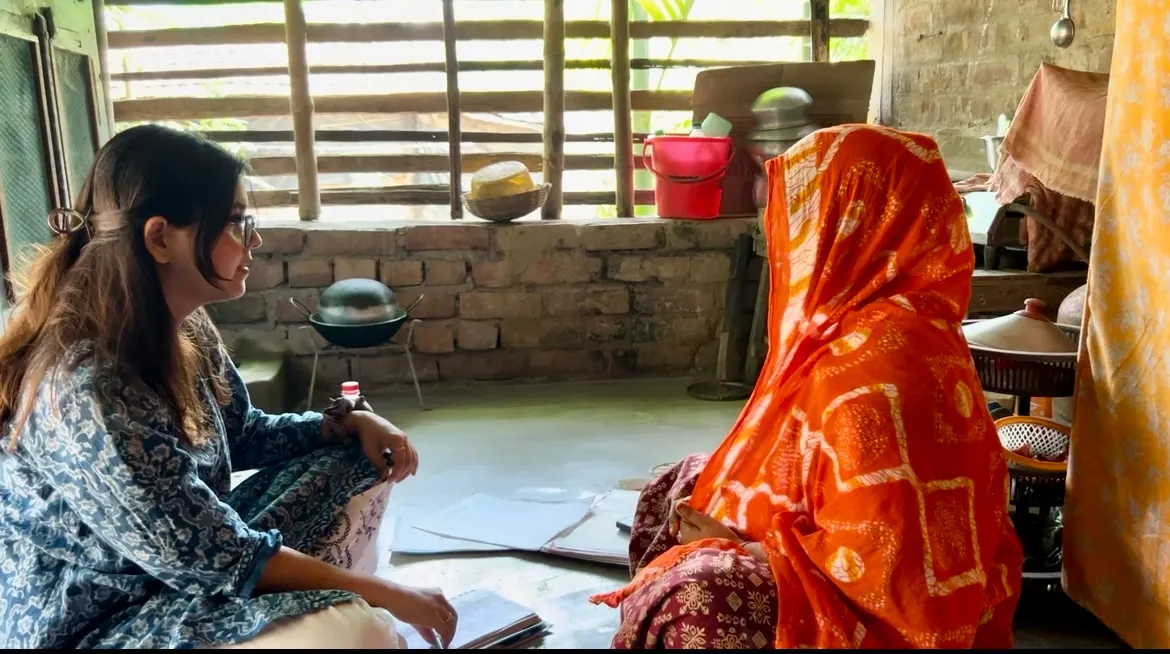
Her research investigates how assisted reproductive technologies (ART), while expanding possibilities for conception, remain largely inaccessible to many marginalized women. Islam noted that these women are faced with systematic neglect, religious prejudice, and humiliation in clinical settings all of which constrain their access to care.
“For rural women, these challenges are even greater,” Islam said. “With limited local healthcare, they must rely on urban facilities, often at significant financial and emotional cost. At the same time, community stigma heightens their isolation and leaves them at greater risk of violence.”
With support from this scholarship, Islam will continue her fieldwork with the goal of raising awareness about reproductive health inequities and advocate for accessible and community-driven care.
“In India, infertility is never just a biomedical issue,” Islam said. “It is deeply political—shaped by intersecting structures of sociocultural, economic, environmental, and political inequalities.”
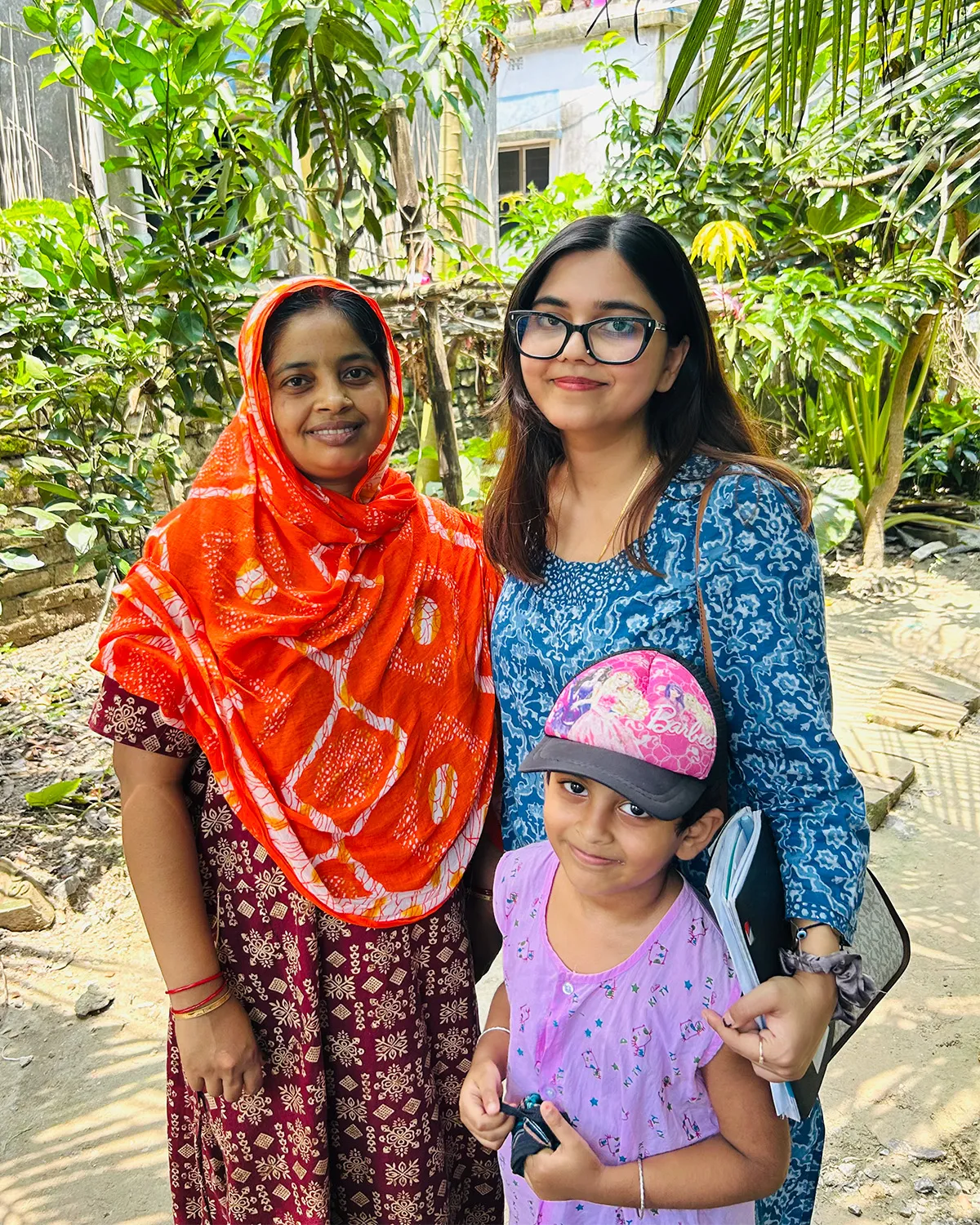
Her research investigates how assisted reproductive technologies (ART), while expanding possibilities for conception, remain largely inaccessible to many marginalized women. Islam noted that these women are faced with systematic neglect, religious prejudice, and humiliation in clinical settings all of which constrain their access to care.
“For rural women, these challenges are even greater,” Islam said. “With limited local healthcare, they must rely on urban facilities, often at significant financial and emotional cost. At the same time, community stigma heightens their isolation and leaves them at greater risk of violence.”
With support from this scholarship, Islam will continue her fieldwork with the goal of raising awareness about reproductive health inequities and advocate for accessible and community-driven care.