Jump to HeaderJump to Main ContentJump to Footer
Michigan State University
College of Social Science
  • Future Students
  • Undergraduate
  • Graduate
  • Degrees
  • Directory
  • Give

College of Social Science

  • Academics
    • Overview
    • Majors, Degrees & Programs
    • Undergraduate
    • Graduate
    • Advising
    • Career Development
    • Scholarships
    • Study Abroad/Away & Internships
    future-students

    Future Student Information

    Your future begins here
  • |
  • Research
    • Overview
    • Centers, Institutes & Programs
    • Faculty Initiatives Fund
    • Forms & Resources
    • Research Committee
  • |
  • Faculty & Staff
    • Overview
    • Policies & Forms
    • RPT Process
    • Support Student Careers
    • PAL Program
    • Services & Assistance
  • |
  • Alumni
    • Giving Opportunities
    • Career Development Assistance
    • Volunteer Opportunities
    • Alumni Awards
    • Blanchard Public Service Forum
    WLI-2-800w

    Learn about the WLI

    Visit Women's Leadership Institute
  • |
  • News
  • |
  • Events
  • |
  • Access
    • Overview
    • Dean's Research Associates (Postdoc) Program
    • Dean’s Institutional Access Small Grant Program
    • Access Accolades
    • Belonging Gatherings
    • Dean's Distinguished Senior Scholars Program
    • Dean’s Institutional Access Fellows Program
    • Advisory Committee
    essentials-corner

    Essentials Corner

    View Essentials Corner
  • |
  • About
    • Overview
    • Dean's Office
    • Leadership
    • Directory
    • College Awards
    • Contact Us
College of Social Science
  • Academics
  • Research
  • Faculty & Staff
  • Alumni
  • News
  • Events
  • Access
  • About

< Academics

  • Overview
  • Majors, Degrees & Programs
  • Undergraduate
  • Graduate
  • Advising
  • Career Development
  • Scholarships
  • Study Abroad/Away & Internships
future-students

Future Student Information

Your future begins here

< Research

  • Overview
  • Centers, Institutes & Programs
  • Faculty Initiatives Fund
  • Forms & Resources
  • Research Committee

< Faculty & Staff

  • Overview
  • Policies & Forms
  • RPT Process
  • Support Student Careers
  • PAL Program
  • Services & Assistance

< Alumni

  • Giving Opportunities
  • Career Development Assistance
  • Volunteer Opportunities
  • Alumni Awards
  • Blanchard Public Service Forum
WLI-2-800w

Learn about the WLI

Visit Women's Leadership Institute

< News

< Events

< Access

  • Overview
  • Dean's Research Associates (Postdoc) Program
  • Dean’s Institutional Access Small Grant Program
  • Access Accolades
  • Belonging Gatherings
  • Dean's Distinguished Senior Scholars Program
  • Dean’s Institutional Access Fellows Program
  • Advisory Committee
essentials-corner

Essentials Corner

View Essentials Corner

< About

  • Overview
  • Dean's Office
  • Leadership
  • Directory
  • College Awards
  • Contact Us
  • Future Students
  • Undergraduate
  • Graduate
  • Degrees
  • Directory
  • Give

Academics

  • Majors, Degrees & Programs
  • Advising
  • Scholarships
  • Experiential Learning
  • Student Success & Help Rooms
  • Career Development
  • Graduate
  • Future Students
  • Professional Licensure and Certification

Faculty & Staff

  • Policies & Forms
  • Reappointment, Promotion, & Tenure
  • Services & Assistance
  • PAL Program
  • Support Student Careers

Research

  • Centers, Institutes & Programs
  • Faculty Initiatives Fund
  • Forms & Resources
  • Research Committee

Access

  • About
  • Advisory Committee
  • Dean's Research Associates (Postdoc) Program
  • Dean's Fellows Program
  • Senior Scholars Program
  • Small Grants Program
  • Access Matters Accolades
  • Essentials Corner
  • Belonging Gatherings

Alumni

  • Giving Opportunities
  • Volunteer Opportunities
  • Career Development Assistance
  • Blanchard Forum
  • Alumni Awards

About

  • College Awards
  • Contact
  • Dean's Office
  • Directory
  • Leadership
  • Procedures & Codes

Contact us

(517) 355-6676

Address

Berkey Hall 509 E Circle Dr East Lansing, MI 48824

Follow Us

  • Visit our Facebook page
  • Visit our page on X
  • Visit our Instagram page
  • Visit our LinkedIn page
  • Visit our YouTube page

If you're having accessibility issues, please let us know.

Know MoreTransparency Reporting: Budget & Salary/Compensation
  • Contact Information|
  • Site Map|
  • Privacy Statement|
  • Site Accessibility|
  • Call MSU: (517) 355-1855|
  • Visit: msu.edu|
  • Notice of Nondiscrimination|

SPARTANS WILL|© Michigan State University|

Research

Nov. 19, 2025

Study: Poverty line misses many kids who need help

Robin Lin Miller

Summary


Each year, the first day of December marks World AIDS Day to recognize the progress made in the global fight against HIV and to remind people that the epidemic is not over. This year, the observance comes amid shifts in U.S. global health policy that threatens to disrupt decades of global progress toward ending AIDS.

Specifically, earlier this year, the Trump administration announced the freezing of millions in funding under the U.S. President’s Emergency Plan for AIDS Relief, referred to as PEPFAR, which has saved more than 26 million lives. The program later received a limited waiver that permits only certain activities. Its future status remains unclear.

Robin Lin Miller is a professor in the Department of Psychology at Michigan State University’s College of Social Science. She has spent four decades evaluating HIV programs in the U.S. and abroad.

Here, she explains how changes to U.S. policy are affecting the global HIV response and why supporting health abroad ultimately protects Americans at home.

Robin Lin Miller
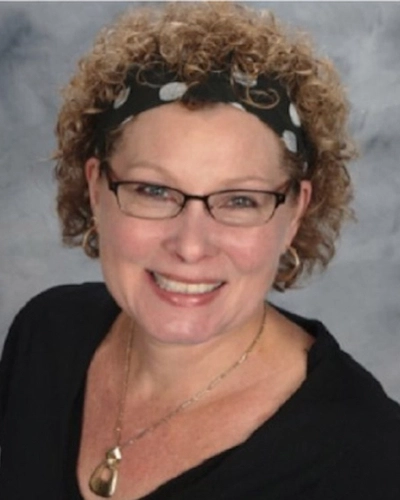
Robin Lin Miller is a professor at MSU's College of Social Science.

What is the Trump administration’s new global health strategy?
In September 2025, the U.S. Department of State announced its America First Global Health Strategy, a plan that aims to make “America safer, stronger and more prosperous” by encouraging other governments to take responsibility for their citizens’ health and to promote U.S. commercial and faith-based interests. It includes the commitment to purchase and distribute the breakthrough HIV preventive drug lenacapavir for up to 2 million people — principally pregnant and breastfeeding women — in 10 countries heavily affected by HIV. However, the plan does not ensure that the most vulnerable will be able to access HIV care. It comes on top of eliminating billions of dollars of U.S. financial support to global health programs. And it undermines one of the most effective foreign assistance programs in U.S. history, the U.S. President’s Emergency Plan for AIDS Relief.

Why does protecting public health abroad matter for Americans?
In a globalized world, diseases and their social and economic impacts do not stay within national boundaries. Increased rates of untreated HIV in any part of the world increase the risk of transmission for U.S. citizens. Ensuring people living with HIV worldwide receive appropriate treatment and care advances U.S. national security, diplomatic and economic interests. Ensuring that citizens in other countries enjoy good health permits their economies to thrive and America’s in turn. A healthy world is a more prosperous, peaceful and stable world to everyone’s benefit.

What impact have the cuts to PEPFAR had globally?
Since President George W. Bush initiated the program in 2003, PEPFAR has saved an estimated 26 million lives. HIV deaths have declined by 70% since 2004, and new infections fell after the program’s inception. PEPFAR helped put the world on track to ending the HIV pandemic by promoting access to highly effective drugs, supporting community-led outreach and programs, and building health care infrastructure. On Jan. 20, 2025, President Donald Trump signed an executive order that paused funding for all foreign aid programs, including PEPFAR. It shuttered PEPFAR-supported clinics and outreach programs, halted medical and supply shipments, and prompted mass layoffs of the global HIV workforce. It also dissolved USAID, which provided essential infrastructure for PEPFAR to do its work.

The Trump administration’s foreign aid pauses disrupted access to HIV treatment for more than 20 million people worldwide and access to prevention for millions more. These actions are projected to cause 4.1 million additional deaths and 7.5 million new HIV infections by 2030.

Who is being left out under the new HIV prevention strategy?
Legal pushback in the months following the Trump administration’s dismantling of USAID allowed limited parts of PEPFAR to restart. However, access to HIV prevention was explicitly limited to pregnant and breastfeeding women. Many services for other vulnerable groups were not restarted. This new strategy excludes prevention and population-specific care for the majority of people who are vulnerable to HIV infection.

About 55% of new infections worldwide occur among “key populations,” a catchall term coined by UNAIDS and WHO. These include sex workers, people who use injectable drugs, men who have sex with men, transgender people, prisoners and the sex partners of these individuals. These groups are considered “key” because of their heightened vulnerability to HIV infection and because ending the HIV pandemic cannot be achieved without their access to prevention, testing and treatment.

Stigma and discrimination, human rights abuses, criminalization and under financing of programs specific to these people’s needs are significant barriers to their care.

Why is community-based HIV care so important?
In countries with legal and social environments that discourage vulnerable people from seeking HIV services, trusted and knowledgeable peers can be a lifeline.

PEPFAR used to fund services designed and implemented by the peers of vulnerable people. People from vulnerable communities were directly involved in ensuring their peers had access to appropriate HIV services and remained in care. They also directly shaped their countries’ national HIV plans. Rather than support trusted community-led institutions, this new strategy shifts to government-run institutions.

Many people who are vulnerable to or living with HIV view government-run medical care with profound distrust and apprehension. Some participants in my own research have told me they would rather die than seek care in a government-run facility. They recount dehumanizing experiences in these facilities, including undergoing invasive procedures without consent and being openly humiliated. Health care workers have also violated patient confidentiality by disclosing patients’ sexuality and HIV status to family members, friends, neighbors, landlords or employers.

Research and lessons learned over decades of global health work suggest that carefully tailoring prevention and care strategies to each vulnerable population and addressing their unique social, behavioral, structural and medical needs improves their effectiveness.

Responses and excerpts are from an article published in The Conversation.

Research